
Cement and Concrete Center of Excellence To Lay Foundation for ‘Flour’ in World’s Infrastructure ‘Cookie’
With Support for a New Center of Excellence and a Growing Lab Space, NLR Is Expanding Domestic Production of Material That Is the Literal Foundation for Modern Society

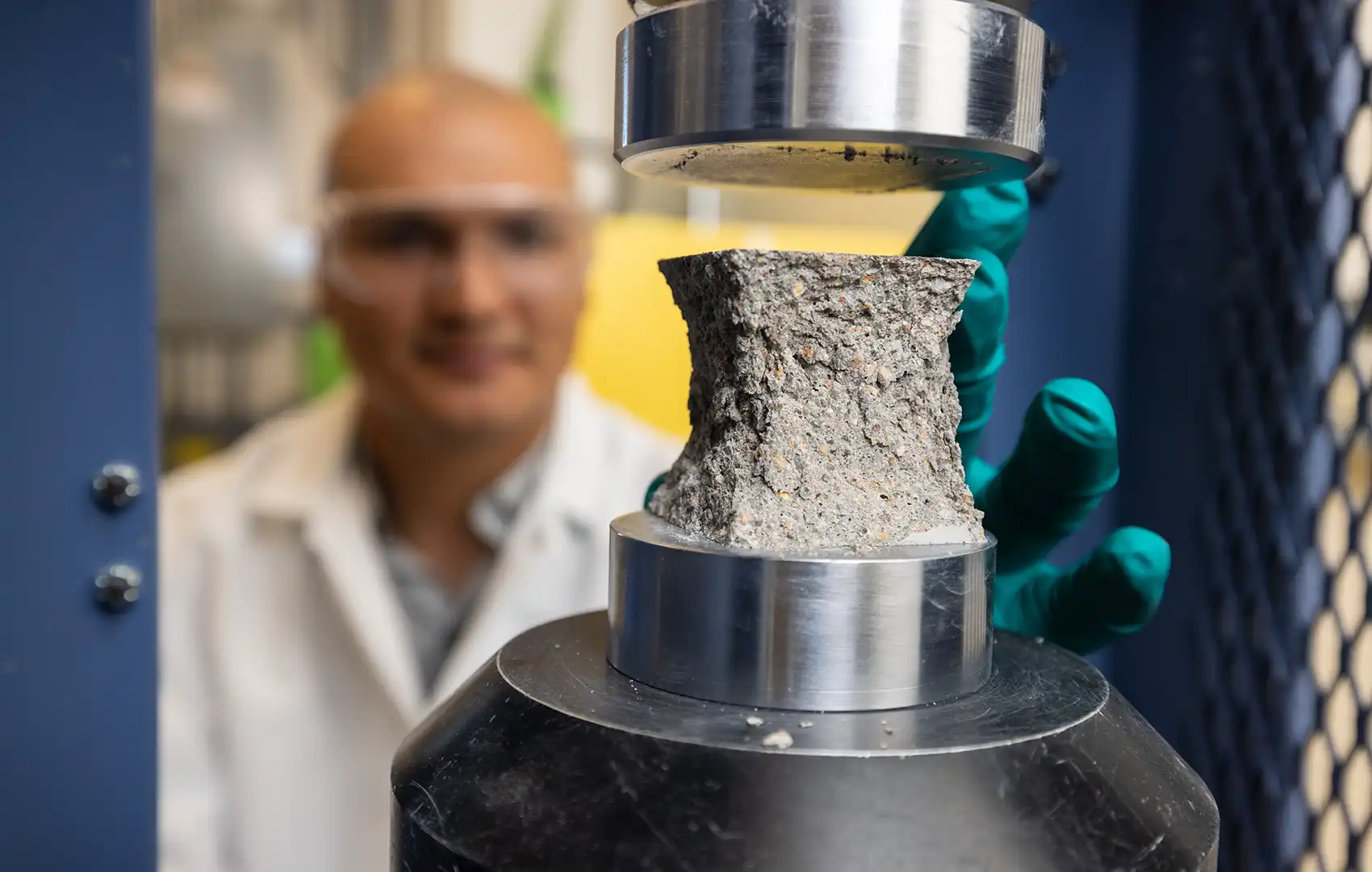
You may not notice it unless you look for it, but concrete is the foundation of homes, businesses, roads and bridges, water supplies—it's everywhere. In fact, concrete represents about 50% of all human-made materials.
“If concrete is a chocolate chip cookie, cement is the flour that goes into concrete,” said John Kevern, a senior researcher at the National Laboratory of the Rockies (NLR). “It’s the most handled material on earth behind water and underpins everything in our society.”
The United States uses over 100 million metric tons of cement annually to meet growing demand. But about 21% of that volume is imported. Given that, you can imagine that the support of a U.S. cement and concrete industry is critical; just like the material itself, it cannot crumble like a cookie.
So, to help the American industry make more durable cement at lower prices and with less energy while meeting U.S. demand, the U.S. Department of Energy’s Industrial Technologies Office is supporting the development of a new Center of Excellence for the Advancement and Acceleration of Cement and Concrete Engineering Technologies (ACCENT).
“We’re collectively experiencing significant growth in demand for energy and construction in the United States,” said Kevern, NLR’s principal investigator for ACCENT, which is co-led by NLR and Oak Ridge National Laboratory. “When you factor in aging infrastructure that needs to be replaced and enhanced, there are a lot of exciting opportunities, but many different industries are buying the same material, which puts a pinch on the supply chain.”
That means the focus is on the cement and concrete industry as it works to build domestic capacity. And with perfect timing, NLR is now more situated than ever to help: A new cement and concrete laboratory is now open on its South Table Mountain Campus.
“It’s serendipitous,” Kevern said. “When it comes to cement and concrete, we have some of the deepest expertise and best industry connections in the national laboratory system, so it makes sense for us to help lead this for the nation.”
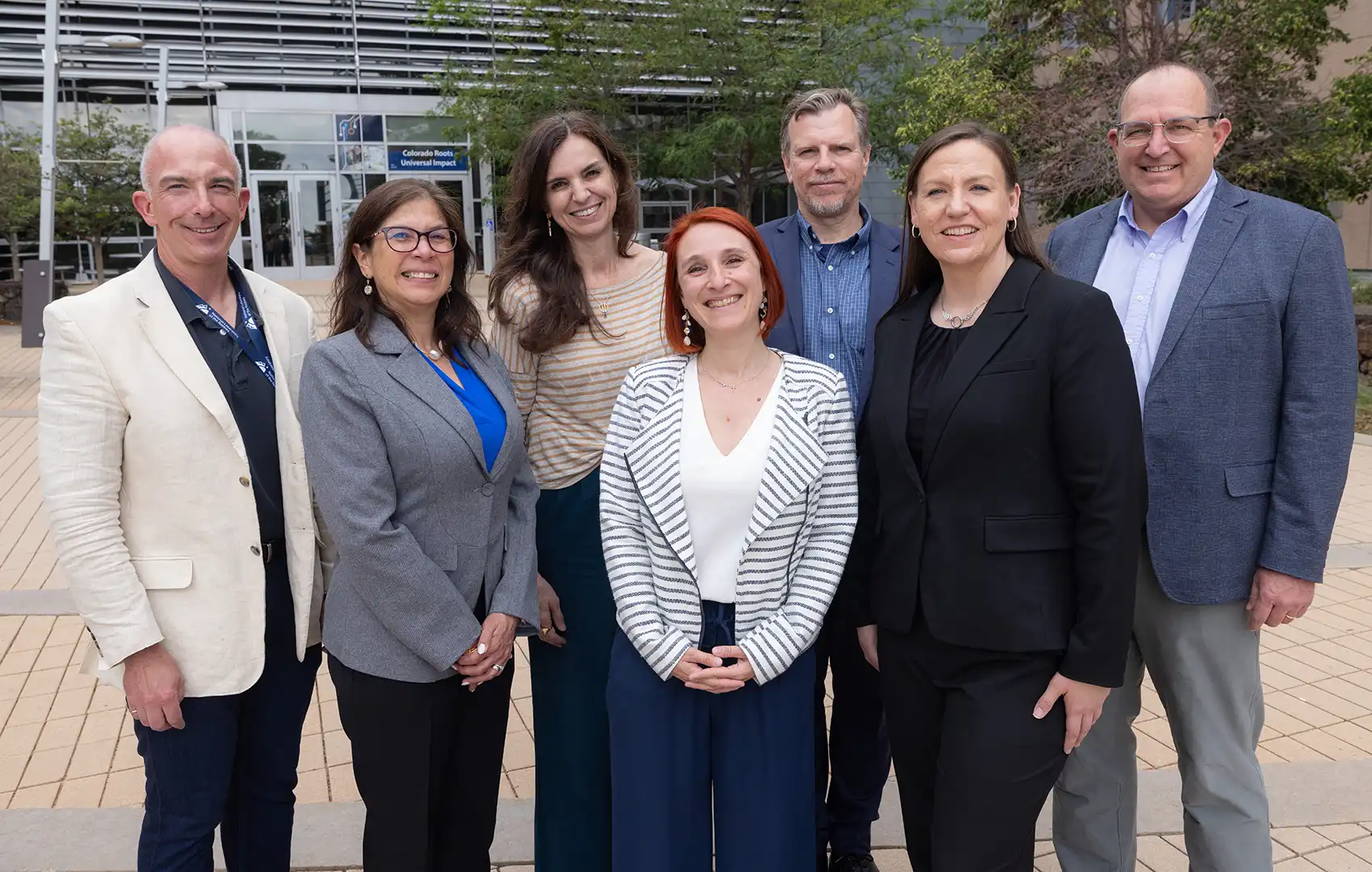
One-Stop Shop for All Things Cement and Concrete
The U.S. cement and concrete industry faces increasing supply vulnerability as demand grows rapidly, driven by new energy infrastructure, housing development needs, and aging infrastructure replacement.
Although the United States has abundant raw materials for cement production, domestic supply is constrained by manufacturing capacity, high capital and energy costs, permitting challenges, and regional supply-demand imbalances. Imported cement can also be more economically competitive in certain markets. These challenges, combined with a lack of coordinated, end-to-end development and clear pathways to scale domestic production, contribute to the industry's continued reliance on imports to meet construction demand.
The industry faces another challenge: producing more durable concrete with a cost-effective and improved production process. Like bakers perfecting a cookie recipe, industry researchers and startups have developed the methods and materials needed to produce concrete that performs better. However, they often lack the means to validate these discoveries and put them into commercial production.
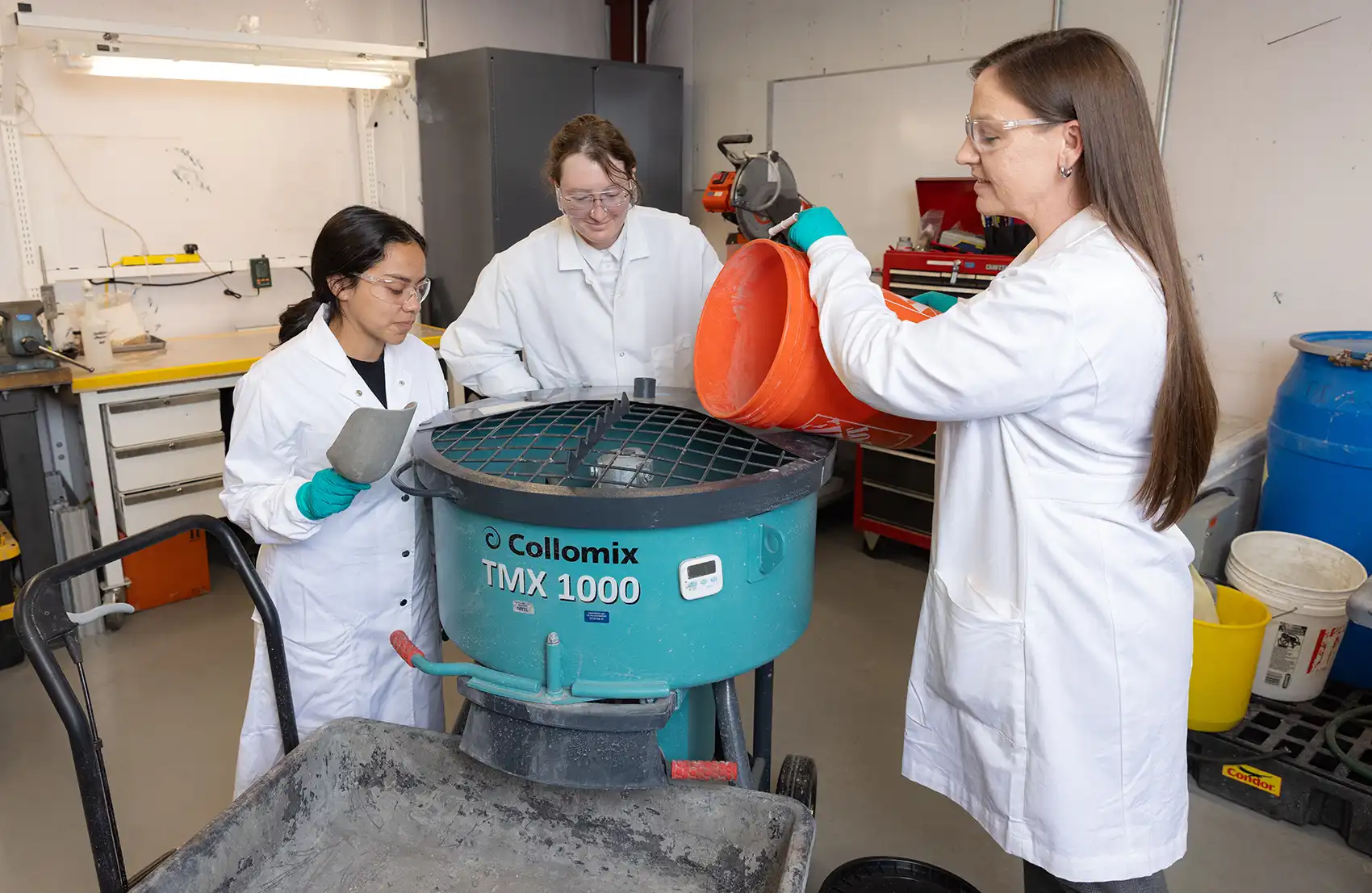
The startups and incumbents in the cement and concrete industry can produce thimbles full of new kinds of concrete in their own laboratories, but they lack capabilities to meet industrial scale with these new formulas, Kevern explained.
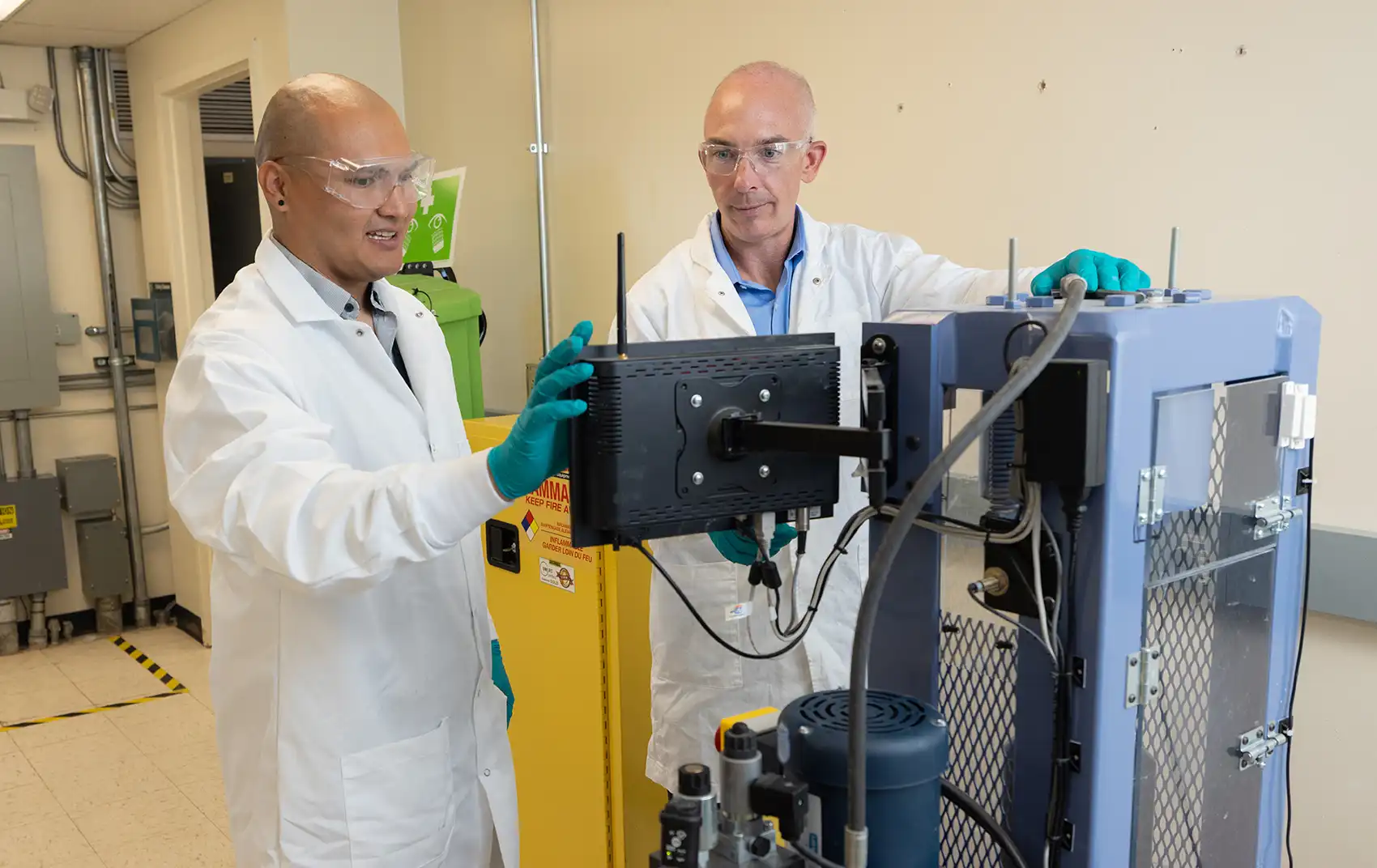
The new center will provide members of the industry with opportunities to test new materials at the scale needed to validate new technologies quickly and safely. For example, ACCENT will provide industry access to a pilot-scale cement kiln, advanced materials characterization tools, durability testing equipment, and pilot-scale concrete mixing systems across NLR and ORNL. The facility at NLR already features a control room for analytical testing and a wet lab for mixing cement, mortars, and concrete, allowing the lab to ramp up research in this critical area. This lab also features 3D printers, mixers, and construction materials test space.
“This facility is unique to NLR,” said Ana Aday, a senior researcher at NLR and Kevern’s research collaborator in all things cement and concrete. “It’s a convenient location that’s a one-stop shop for construction materials.”
Together, these capabilities will support material development, performance validation, and manufacturing scale-up, helping emerging cement and concrete technologies advance toward commercial deployment.
An Undertaking of Titanic Proportions
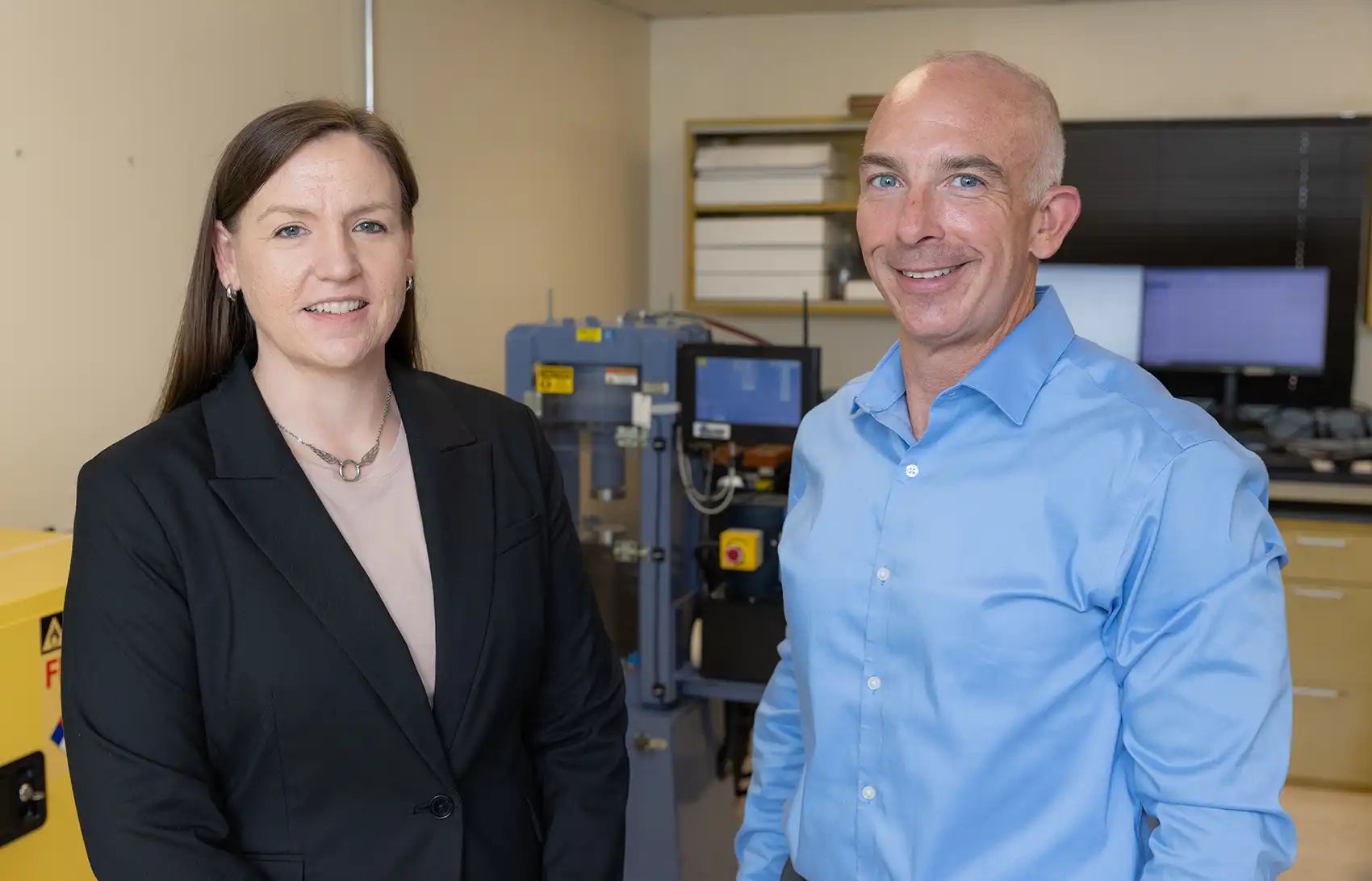
At the fourth Cement and Concrete Industry Annual Critical Technologies Meeting at NLR’s Golden, Colorado, campus on June 4–5, 2026, more than 50 stakeholders from technology startups, investment firms, academia, industry, corporate institutions, and the national laboratory system came together to discuss challenges facing the cement and concrete industry.
Topics included next-generation technologies, creating a more reliable domestic supply chain, and materials innovation—right in line with the topics ACCENT aims to support. NLR’s annual event is unique in that it enables cement and concrete industries to provide direct comments, thoughts, and ideas back to the Department of Energy. “Cement and concrete is such a large industry by volume that it's really hard to pivot. It’s almost like turning the Titanic,” said Aday, referring to the ship that was much larger than others in its day. “That’s why it’s so critical to bring all these professionals together—the work we’re doing now to enhance the industry is shaping the future of the country.”
With ACCENT, NLR can expand its integrated approach to improving processes and materials. The Center of Excellence and supporting efforts will encourage industry creativity and the sharing and translation of research into market-ready solutions for the cement and concrete industry, reducing reliance on imported material for the domestic construction industry. And just like better ingredients lead to better cookies, ACCENT’s efforts can help improve infrastructure for the entire country.
Learn more about NLR’s cement and concrete work and advanced manufacturing research.
Last Updated April 28, 2026