
Commercialization Hub Aims To Ease Marine Energy Path to Market
National Laboratory of the Rockies’ New Marine Energy Industry Hub Aggregates the Information and Resources Developers Need To Advance Technology Readiness and Navigate Market Barriers

Ocean waves, tides, and river currents contain a tremendous amount of energy. In the United States alone, marine energy could generate enough power to meet nearly 60% of the country’s annual electricity needs.
Until that vast, largely untapped potential can be realized, marine energy technologies offer plenty of near-term opportunities to generate localized power for small-scale applications ranging from coastal security and defense to ocean observation. Just ask Ocean Motion Technologies (Ocean Motion) CEO and lead oceanographer Jack Pan, who launched his company as a practical solution to the logistical challenges he faced performing maintenance on data buoys in the Southern Ocean. But the journey to market was not always smooth sailing for Ocean Motion. Marine energy is still an emerging field, and commercializing new technologies can be fraught with obstacles.
Enter the Water Power Commercialization Hub—a home for resources that can offer critical support for marine energy developers navigating the often-circuitous route from concept to commercialization.
Built To Buoy an Emerging Industry
Without a clear place to turn to for relevant, trusted industry resources, developers often struggle as they traverse the commercialization “valley of death.” The National Laboratory of the Rockies (NLR) launched the Water Power Commercialization Hub to help marine energy innovators bridge funding and resource gaps that often create challenges between the demonstration and deployment phases of the commercialization journey.
Funded by the U.S. Department of Energy’s (DOE’s) Hydropower and Hydrokinetic Office, the Hub aggregates a growing body of tools, frameworks, and guidelines to help streamline marine energy development pathways, accelerate commercialization, and boost deployment of marine energy technologies.
“By creating a single, searchable repository of relevant information and resources, NLR’s goal is to support faster learning during technology development, lower deployment barriers, and accelerate commercialization of viable solutions for coastal and offshore energy markets,” NLR Water Power Deployment and Commercialization Principal Investigator Jenny Wiegele said.
Designed To Maintain Momentum
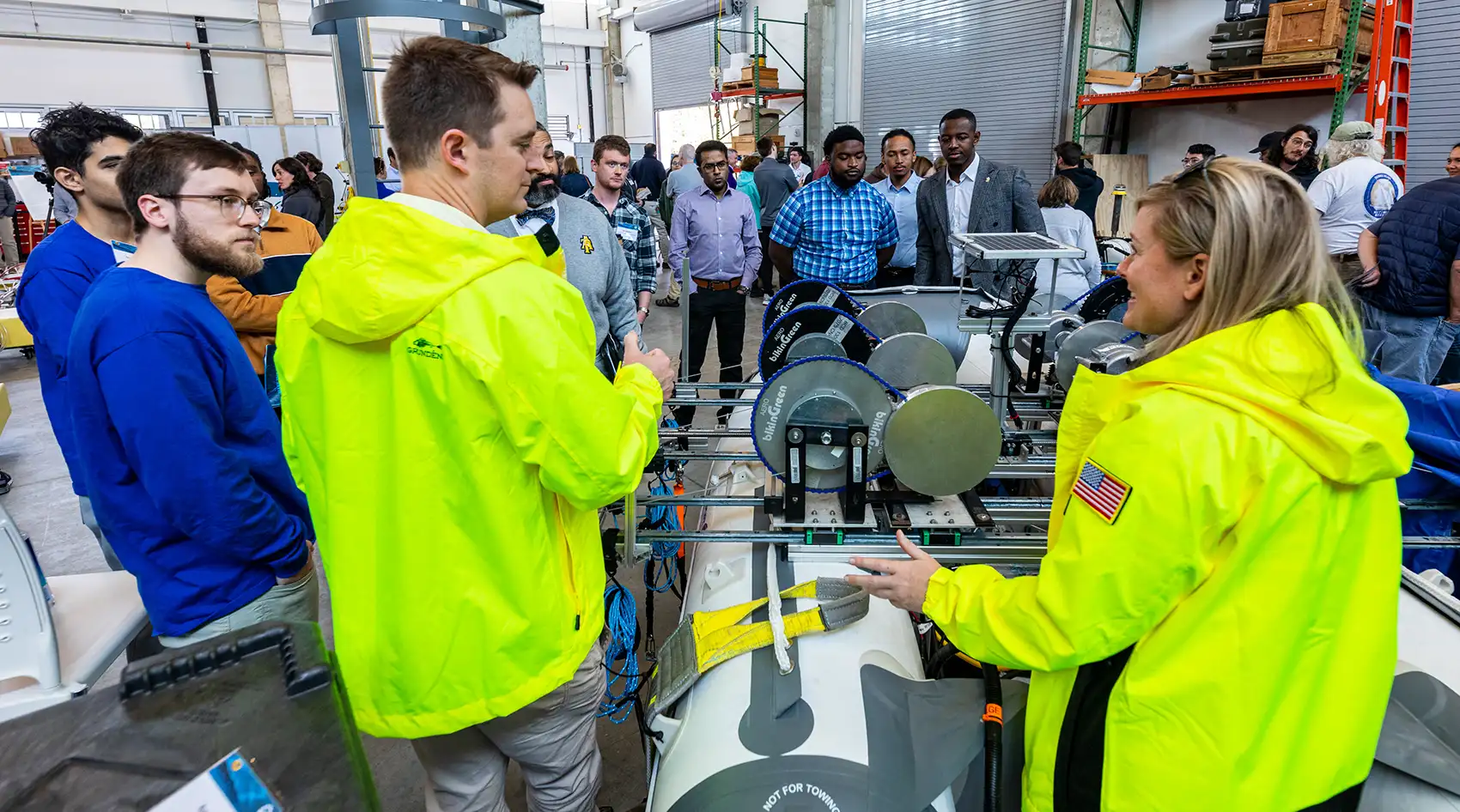
In sharing development and deployment strategies adopted for other early-stage energy technologies, the resources included in the Commercialization Hub offer insight into key steps required for market entry, including:
- Business planning
- Permitting
- Funding pathways
- Technology validation
- Customer discovery
- Investor engagement.
The Hub is an outgrowth of NLR’s more than eight years of work to alleviate market barriers and advance commercialization for marine energy systems.
“By creating a single, searchable repository of relevant information and resources, NLR’s goal is to support faster learning during technology development, lower deployment barriers, and accelerate commercialization of viable solutions for coastal and offshore energy markets.”
—NLR Water Power Deployment and Commercialization Principal Investigator Jenny Wiegele
Designed to expand alongside the marine energy industry, the Hub will be periodically updated with new resources in response to evolving industry dynamics and developer needs. Resources provided through the Hub are rooted in industry engagement—a key element of the NLR Water Power Deployment and Commercialization team’s long-term strategy to foster momentum through knowledge sharing.
How the Hub Can Help
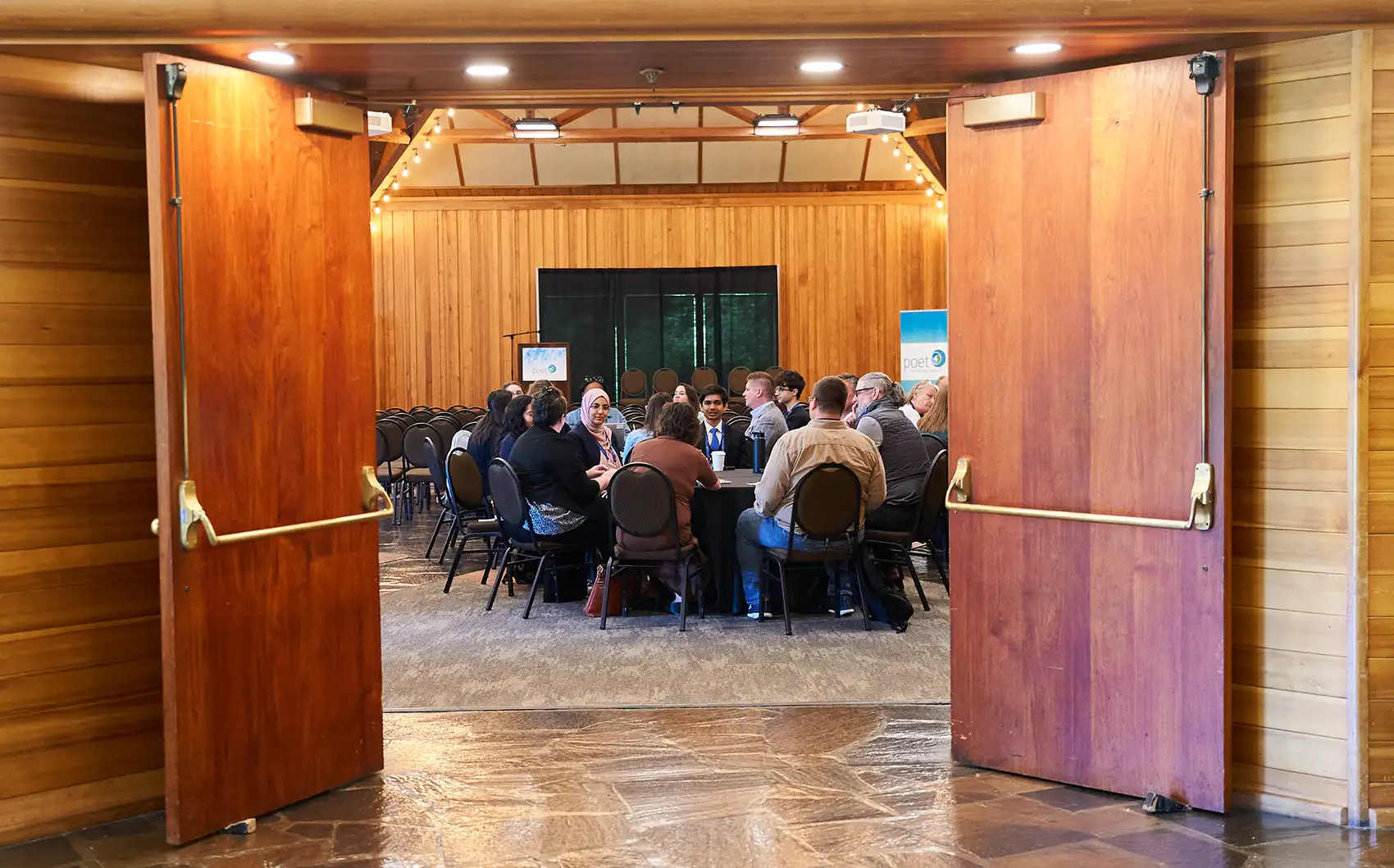
At the 2026 Ocean Renewable Energy Conference (OREC), NLR’s Water Power Deployment and Commercialization team facilitated a focused workshop to gather industry perspectives on some of the most significant market barriers for marine energy along with ways NLR could help. Among the attendees was Ocean Motion’s CEO.
“Ocean observing systems need more reliable power,” Pan said, describing how marine growth, salt spray, bird droppings, and maintenance logistics can impact the performance of traditional data collection buoys deployed in the open ocean. “Wave energy is a natural solution because the energy is already present at the site where the data is needed,” Pan said. But need does not always translate easily to the commercial adoption of marine energy innovations like Ocean Motion’s wave-powered data buoys and cloud-based data science platform.
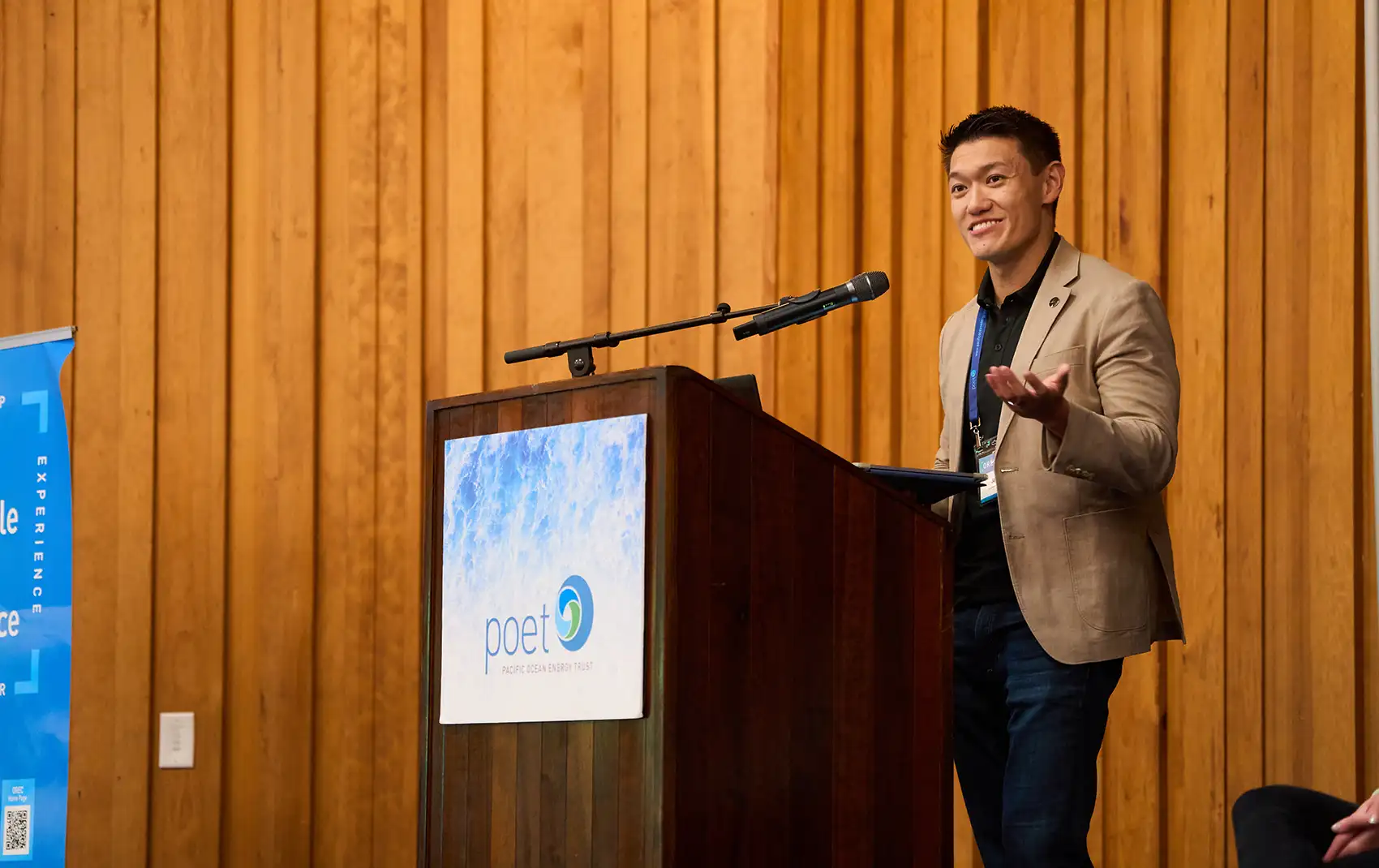
“Marine energy commercialization is complex and fragmented, and developers need support across technical validation, market understanding, deployment pathways, financing, and risk,” Pan said during a follow-up discussion about takeaways from the OREC workshop. “The Water Power Commercialization Hub could help with market validation, customer discovery, test planning, techno-economic framing, and risk reduction.”
Launching and maintaining the Hub is one tactic in NLR’s strategic playbook to catalyze water power innovation. The Water Power Deployment and Commercialization team’s focus is on addressing industry-wide commercialization challenges by:
- Maximizing private capital potential of marine energy technologies
- Addressing regulatory, social, financial, and environmental barriers
- Facilitating alternative funding mechanisms
- Evaluating qualitative and quantitative metrics for long-term private capital investment
- Providing targeted support and identifying resources for awardees and stakeholders
- Creating new collaborations.
More, Faster, Better
As a one-stop-shop for information culled from NLR’s water power commercialization work and the experiential knowledge of partners and industry players, the Hub is purpose-built to meet industry needs.
Along with connecting developers like Pan with relevant resources to help move their marine energy innovations to market, the Hub can also help them learn to communicate the broader value proposition for small-scale marine energy systems.
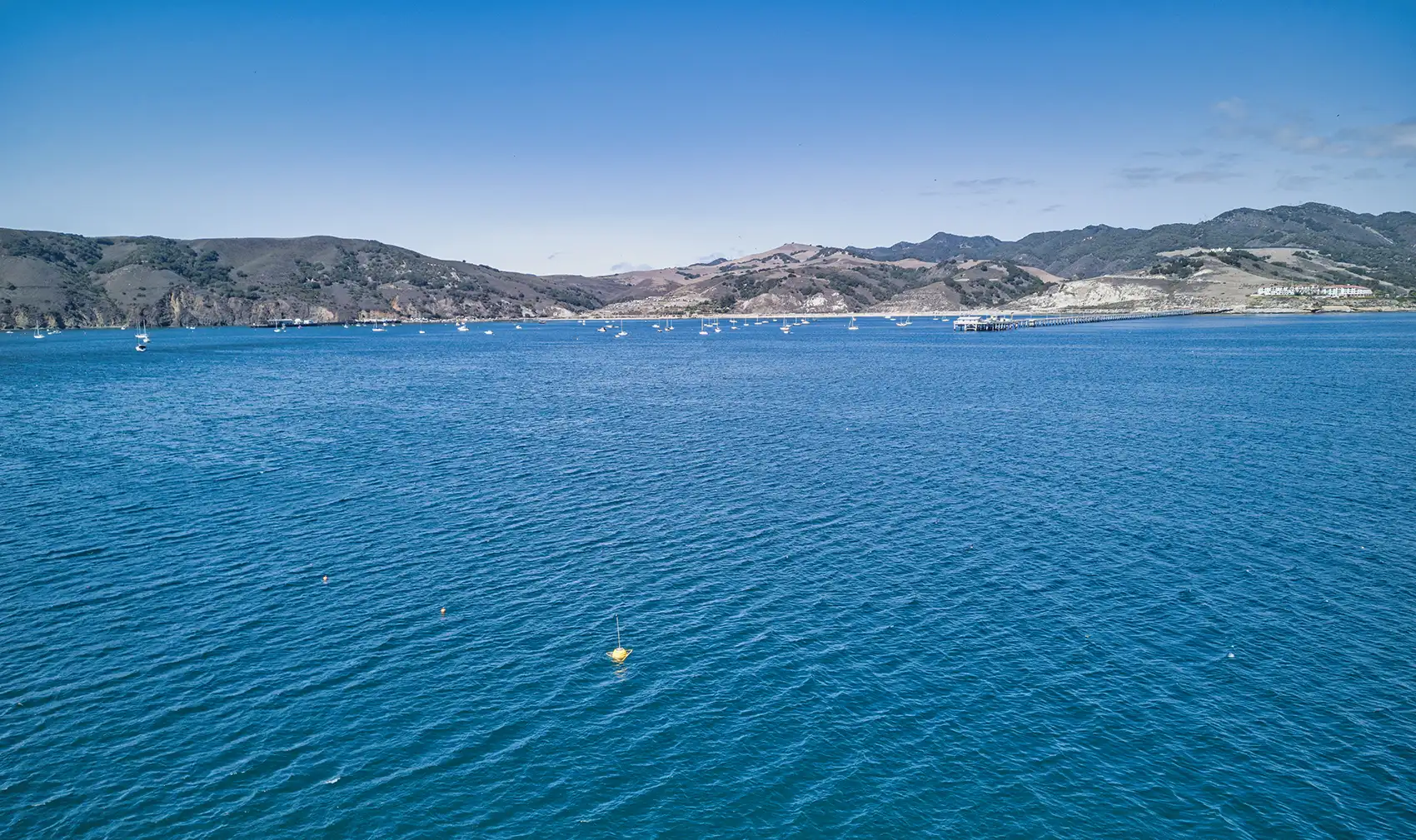
“For us, marine energy is not just about power. It’s about enabling a more capable ocean-observing and maritime-sensing infrastructure,” Pan said. “More power means more instruments, faster sampling, more telemetry, better autonomous operations, and, ultimately, better decisions for science, industry, coastal communities, and national security.”
NLR’s Water Power Deployment and Commercialization team is enabling marine energy developers to advance their goals. “Marine energy hardware is expensive to build, test, deploy, retrieve, and maintain, and customers need evidence of reliability and operational value,” Pan said.
“While marine energy developers continue to work through the technical development challenges of marine energy technologies, we also recognize the regulatory, social, financial, and environmental barriers developers will encounter as they develop their businesses,” Wiegele said. “We created the Hub to support developers in navigating common commercialization challenges and those unique to the marine energy industry to provide relevant and targeted potential solutions.”
Check out the Water Power Commercialization Hub on OpenEI for marine energy commercialization tools, guides, and other resources.
Need more information to move your marine energy business forward? Reach out to the TEAMER network for direct one-on-one support.
Learn more about how NLR brings the network and expertise needed to support the commercialization of water power technologies and translate early-stage innovation into market-ready solutions.
Last Updated April 28, 2026