
Decommissioning, Repurposing, and Recycling
NLR develops public resources and provides technical assistance so local governments and communities can understand, plan for, mitigate, and manage the retirement of energy projects.
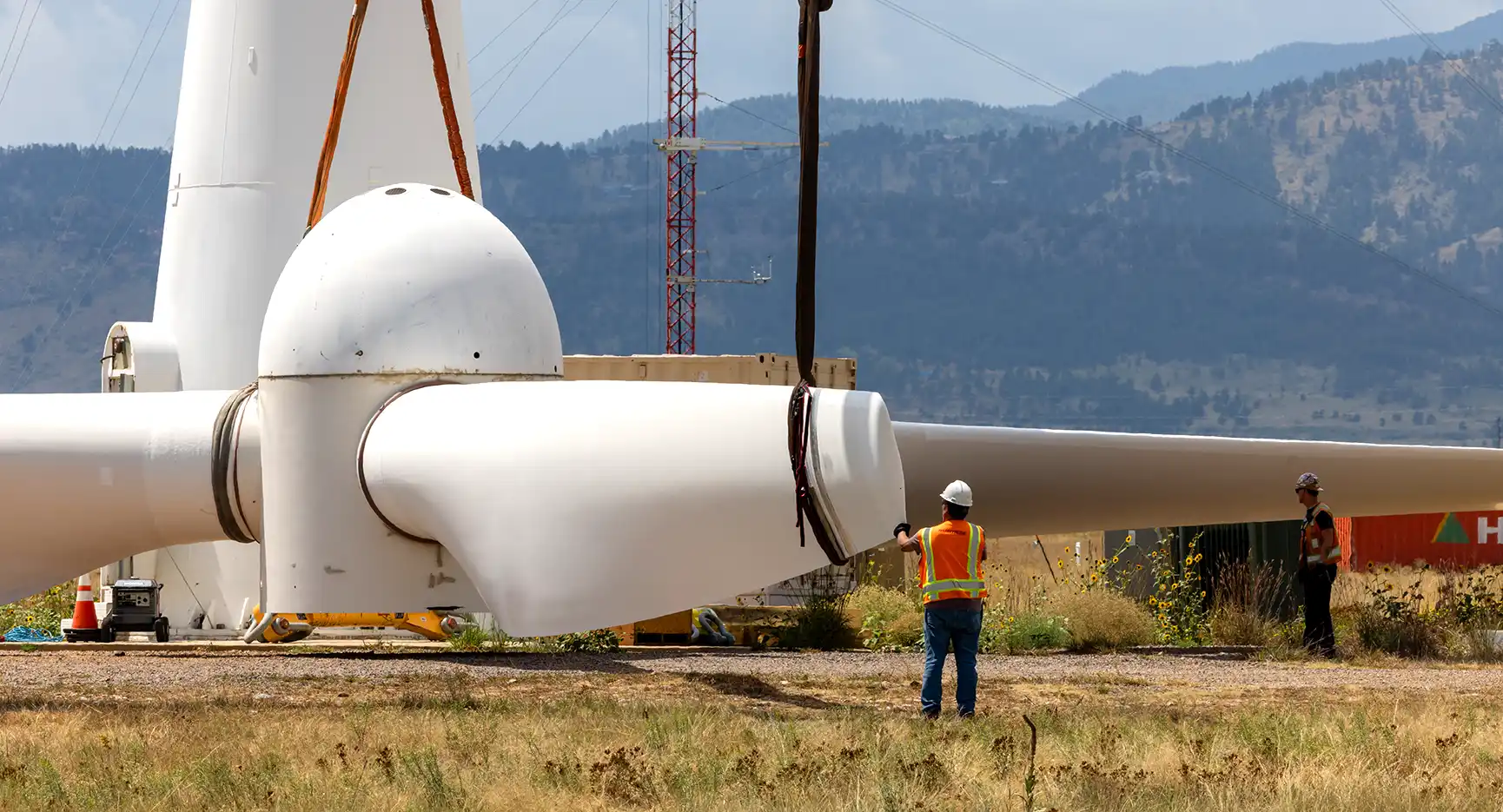
NLR's research, outreach, and technical assistance supports communities with energy project end-of-service processes and challenges. Photo by Taylor Mankle, National Laboratory of the Rockies
NLR's research, engagement, and technical assistance help interested parties understand end-of-service processes for energy technologies, including project decommissioning, and component recycling and material recovery activities that support the domestic mineral and material supply chain.
Through the Researching Energy Decommissioning and Recycling for Communities Task, NLR guides communities and decision-makers as they plan and navigate end-of-service processes by providing:
Planning, policy, cost, and impact analyses
Impact assessments for communities and project stakeholders
Use case data, maps, and databases
Technical support for communities.
Apply for Technical Assistance
NLR provides technical assistance to local governments and rural communities navigating the end of service and decommissioning of energy projects. Applications are rolling through Nov. 30, 2026.
Areas of Work
NLR combines research, analysis, and outreach to generate insights on the following end-of-service aspects related to the activities, people, and strategies involved in decommissioning, repowering, and component processing. Explore all resources across these areas of work.
NLR disseminates accessible planning and policy information to help state and local decision-makers navigate policy development and project management.
By leveraging NLR's policy database, techno-economic analysis identifies how variances in decommissioning activities, component processing solutions, and geographic locations influence decommissioning costs.
In addition to analyzing costs, NLR assesses the broader economic, workforce, and cultural implications of energy project decommissioning to inform rural communities and regional ratepayers about community changes while providing job seekers with details about related career options.
To support domestic supply chains, NLR investigates processes, capabilities, and potential barriers to and impacts from component recycling, technology repurposing, and critical mineral and material recovery.
NLR's Technology Recycling and Repurposing Collegiate Competition challenges students to find creative yet practical ways to recycle or repurpose retired energy components and materials.
NLR fosters collaboration and knowledge-sharing around energy project decommissioning and repowering by building networks, engagement, and partnerships to identify common issues, develop solutions to these issues, and communicate the solutions to stakeholders to inform decisions.
NLR assists state, local, and Tribal governments and rural communities in managing the local impacts of energy project retirement, such as material waste and remediation of project sites.
Through a technical assistance program, NLR provides technical expertise to support applicants' needs.
Resources and Tools
Access NLR's tools and resources to learn about end-of-service processes, jobs, local impacts, and technical assistance.
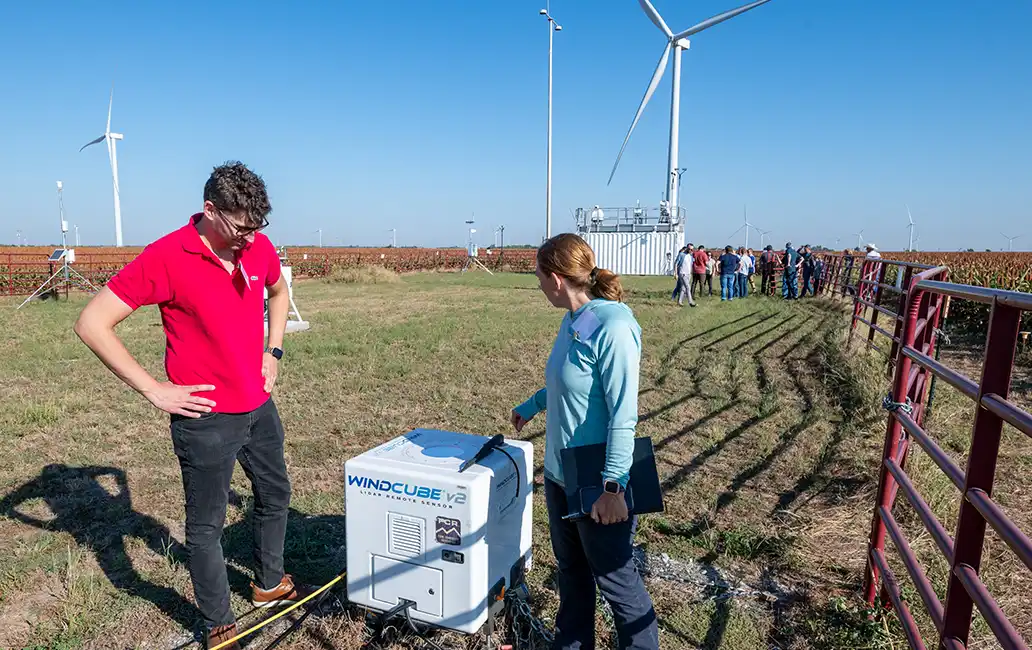
End-of-Service Information Resources Database
This database provides information resources related to the impacts of concluding energy projects.

End-of-Service Planning and Policy Database
This database offers decommissioning plans, estimates, ordinances, state regulations, and other policy mechanisms.
Contact
Share

Last Updated Oct. 8, 2026